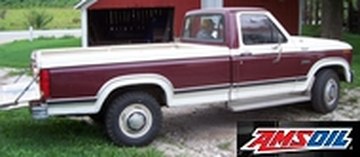
Maintaining Lubrication Integrity for the 1982 Ford Trucks F250 6.6L
Proper engine maintenance is a cornerstone of long-term vehicle health, particularly for heavy-duty applications involving large displacement engines. For an owner of a 1982 Ford Trucks F250 equipped with a 6.6L engine, staying proactive with lubrication services helps ensure the mechanical components continue to operate as intended. While modern vehicles often rely on automated monitoring systems, older platforms benefit significantly from hands-on inspection and a disciplined approach to fluid management.
Monitoring Fluid Condition and Potential Leaks
One of the most effective ways to monitor the health of the 6.6L engine is through regular visual inspections. Because this vehicle has been in operation for several decades, it is practical to check for signs of fluid seepage or active leaks during every routine service. When inspecting the engine bay, look for any evidence of oil appearing on the exterior of the engine block, near sealing surfaces, or on the underside of the chassis.
If you notice wetness around various gaskets and seals, it may indicate that these components are beginning to age. It is important to distinguish between a minor seepage—where a thin film of oil is present—and an active leak that results in dripping or significant fluid loss. Additionally, checking the appearance of the oil itself can provide clues about engine health. Oil that appears excessively dark, gritty, or contains visible contaminants should be investigated, as these conditions can sometimes be associated with extended service intervals or internal combustion byproducts entering the lubrication system.
Observing Operational Warning Signs
Beyond visual inspections of the engine exterior, paying attention to how the vehicle behaves during operation is vital. Changes in how the engine sounds or smells can serve as early indicators that maintenance may be required. For instance, an unusual odor that develops after the engine reaches operating temperature might suggest that oil is contacting a hot component. While such odors can have many different causes, they warrant a closer look to identify the source.
Owners should also remain vigilant regarding any changes in lubricant consumption. If you find yourself needing to add oil more frequently than in the past, this change in behavior should be documented and investigated. Furthermore, if the vehicle is equipped with an oil pressure indicator or warning light, any deviation from normal readings requires immediate attention. It is important to remember that a single symptom, such as a change in noise or a warning light, can be linked to various mechanical factors; therefore, professional diagnosis is often necessary to pinpoint the exact cause.
Prioritizing Maintenance Based on Current Condition
As vehicles age, the strategy for maintenance often shifts from strictly following a calendar to focusing on the actual condition of the components. For a 1982 Ford Trucks F250, this means using the current state of the engine and its supporting systems to decide where to direct your efforts. If you are stepping into ownership of this vehicle without a complete service history, establishing a maintenance baseline is a logical first step.
To establish this baseline, begin by reviewing any available repair records or receipts. If no documentation exists, perform a comprehensive inspection of all fluids and age-sensitive components. This includes checking the condition of accessible belts, if equipped, for signs of cracking, glazing, or fraying. Similarly, inspect any visible hoses for softness, swelling, or leaks. By addressing active concerns—such as a small leak or an aging belt—before they escalate into larger mechanical issues, you can manage the maintenance of the 6.6L engine more effectively and predictably.
The Role of High-Mileage Formulations
When managing an older engine, owners often consider different types of lubricants to suit the vehicle's age. Some high-mileage oil formulations are designed with specific additives intended for use in aging engines. These formulations may include seal-conditioning additives that are intended to help maintain the integrity of various gaskets and seals. While these products can be a helpful part of a maintenance strategy, they are not a substitute for addressing significant mechanical leaks or component failures.
Choosing between conventional oil, synthetic blends, or full synthetic options depends on the specific needs of the application and the owner's driving habits. Synthetic oils often provide different levels of thermal stability and oxidation resistance compared to conventional oils, which can be beneficial in various operating environments. Regardless of the type chosen, ensuring the lubricant meets the appropriate API certification is essential for protecting the internal components of the engine.
Long-Term Ownership and Record Keeping
Effective long-term ownership of a classic truck involves more than just mechanical work; it requires organized documentation. Keeping a detailed log of every oil change, filter replacement, and mechanical repair provides an invaluable resource for both the current owner and any future technicians. A well-maintained record allows you to track the frequency of service and identify patterns in fluid consumption or component wear.
Consistent record-keeping also helps in distinguishing between routine preventive maintenance and necessary repairs. For example, if your records show that a specific component has been replaced recently, you can avoid unnecessary inspections or replacements during subsequent services. This organized approach ensures that the 1982 Ford Trucks F250 remains a reliable vehicle by allowing for data-driven maintenance decisions rather than guesswork.
Practical Guidance for Buying Engine Oil for your 1982 Ford Trucks F250 6.6L
When you are ready to replenish the lubrication in your engine, it is critical to select a product that aligns with the specific requirements of your application. To ensure the best results, match the engine oil to the application-specific viscosity information already displayed on this webpage. Do not rely on general automotive knowledge or assumptions based on the vehicle's age to determine the correct grade.
Before completing your purchase, always check the product labeling to verify that the oil meets the necessary quality standards and API certifications. If you decide to use a high-mileage formulation, ensure it is appropriate for your specific engine needs. By strictly following the viscosity and application details provided in the technical data above, you can select a lubricant that supports the continued operation of your 6.6L engine.